Description
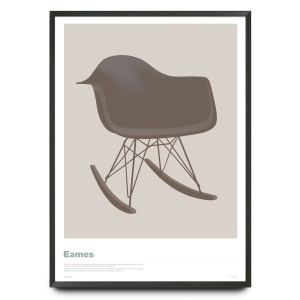
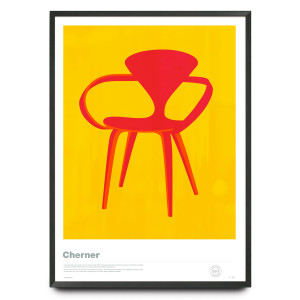
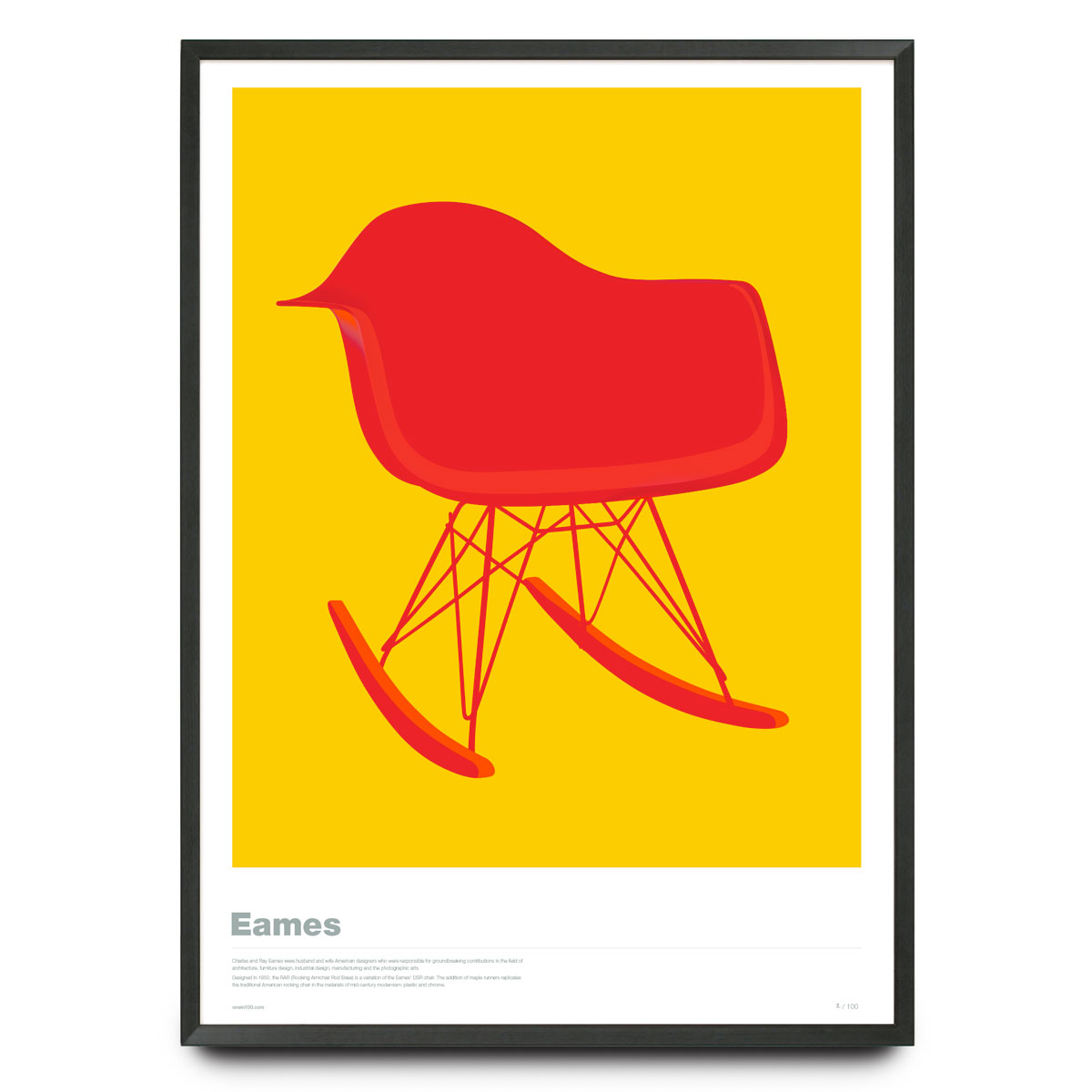
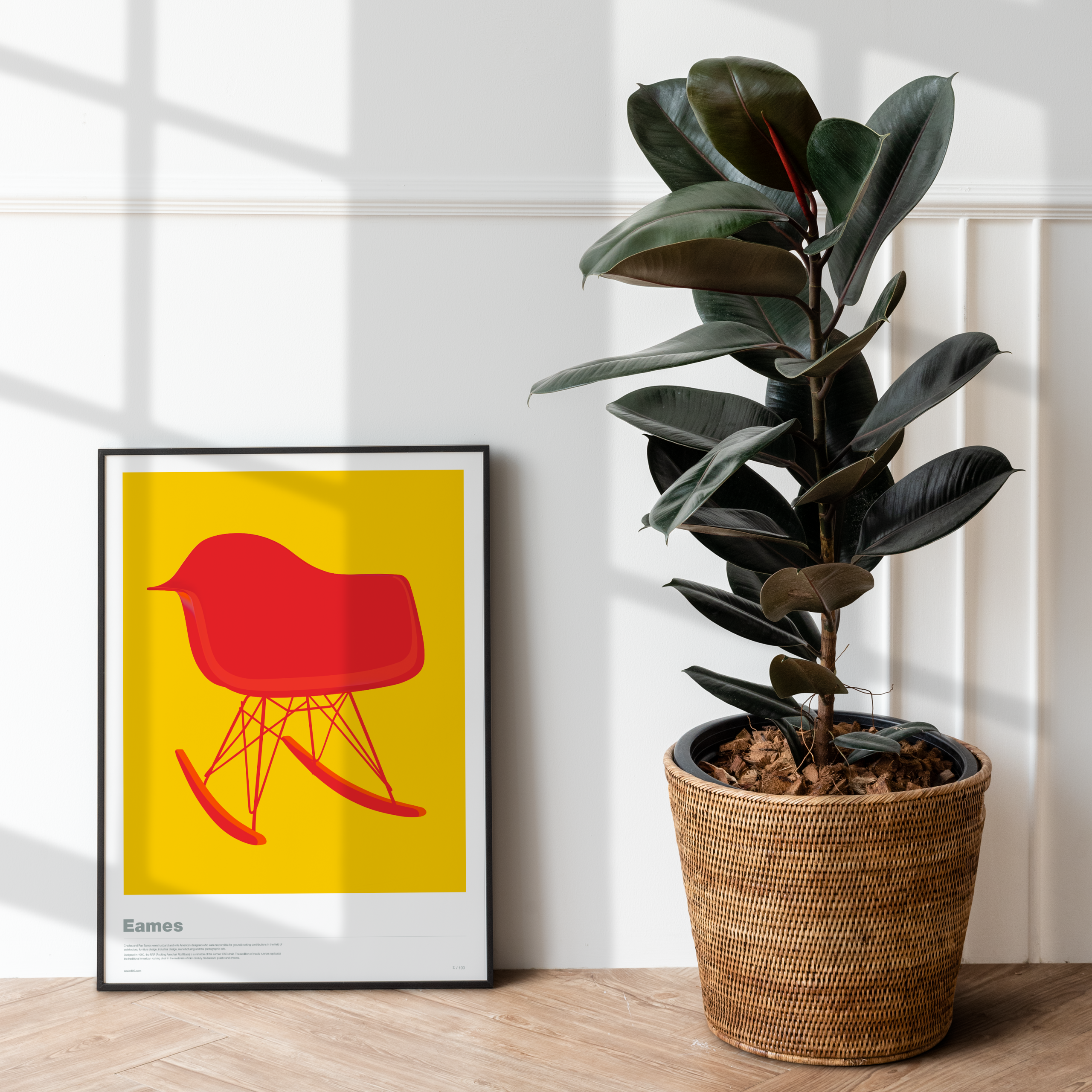
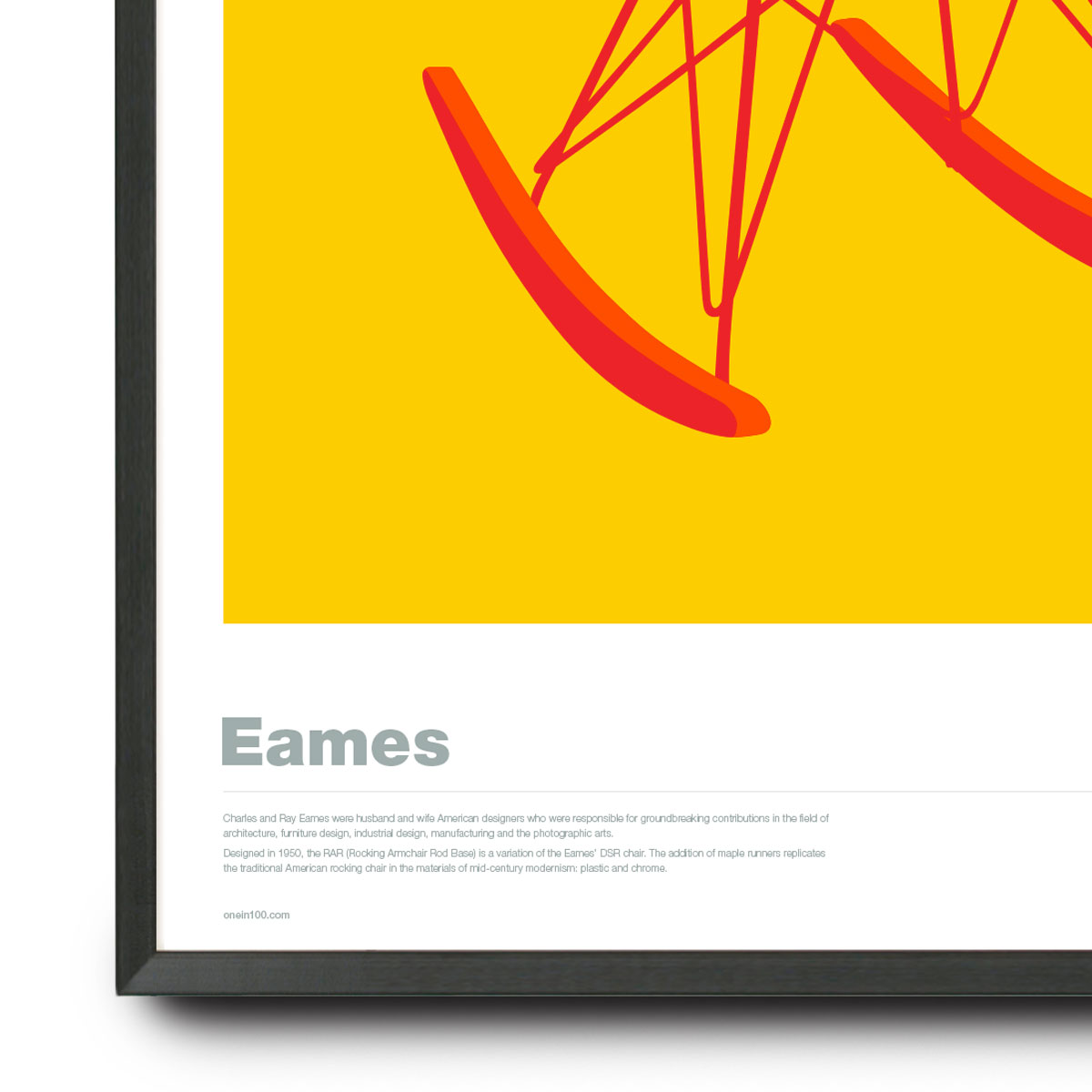
Eames RAR Rocker Print
on 300gsm matte archival smooth paper
Hand editioned in pencil
One of 100 copies only
Sizes: 500 x 700mm / 19.7″ x 27.6″ or 700 x 1000mm / 27.6″ x 39.4″
Paper:
Professional fine art paper. 100% cotton paper with a smooth surface texture – guarantees archival standards.
Our giclée prints are printed on exhibition standard Ultrachrome HDR archival ink system of the Epson 7890 LFP.
Eames RAR chair illustration limited edition print additional information:
Please note, the frame is not included.
The colours of the print can vary from those shown on screen. We strive to make our colours as accurate as possible, but screen images are intended as a guide only and should not be regarded as absolutely correct.
The Eames RAR Chair
Some pieces of furniture are instantly recognisable from their silhouette alone. The Eames RAR is one of them.
Even if you’ve never heard its full name – RAR stands for Rod Base Armchair Rocker – you’ve almost certainly seen one. It appears in homes, nurseries, offices, cafés, design museums and countless magazine photographs. Few chairs have travelled so effortlessly between domestic life and popular culture.
The RAR emerged during a period when Charles and Ray Eames were rethinking what everyday furniture could be. Rather than producing handcrafted pieces for a small audience, they wanted to use modern manufacturing techniques to create well-designed furniture that ordinary people could own.
Originally introduced in the early 1950s, the RAR combined a moulded seat shell with a lightweight wire base mounted on wooden runners. The result looked unlike almost anything that had come before it. It felt playful without being frivolous and modern without appearing cold.
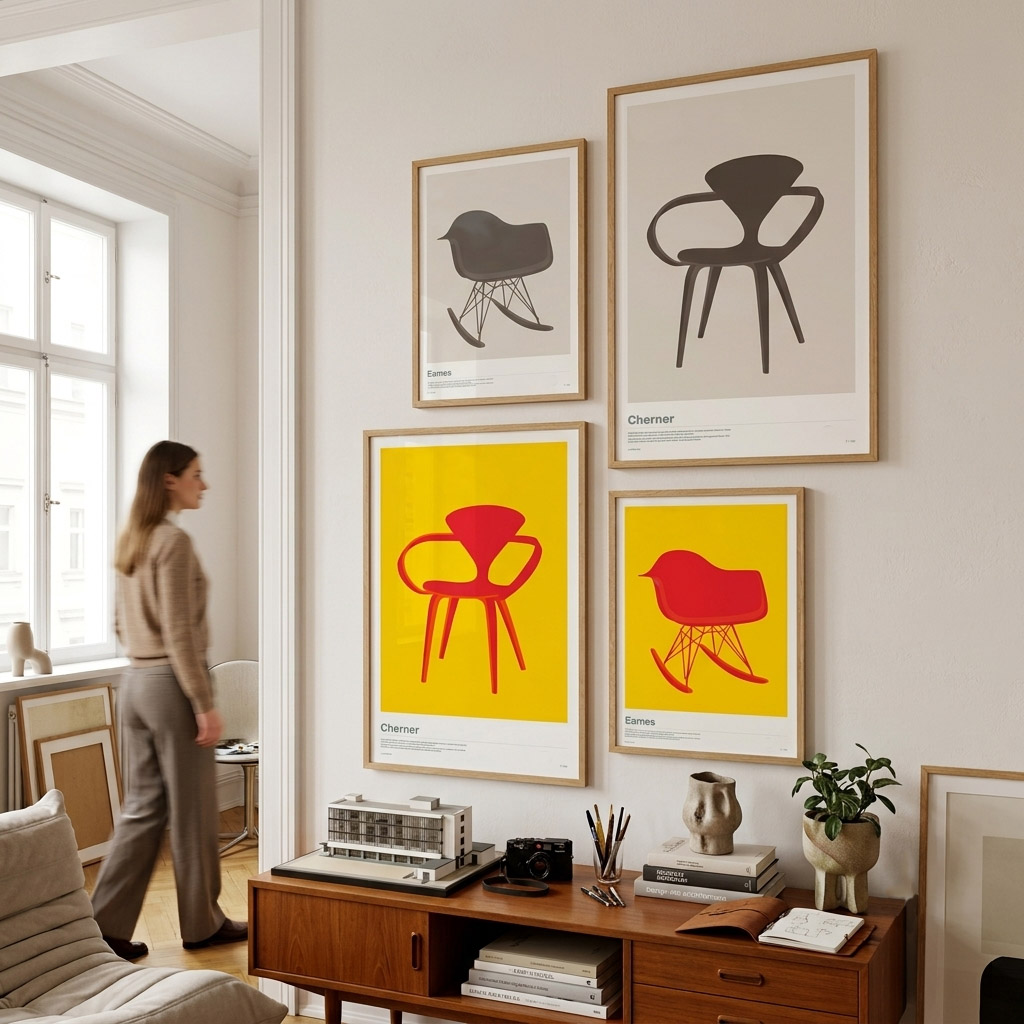
One reason the chair has remained so popular is its versatility. It doesn’t belong exclusively in one type of interior. It can sit comfortably in a minimalist apartment, a Victorian terrace, a creative studio or a family living room without feeling out of place.
The moulded shell was another quiet revolution. Rather than constructing furniture from multiple padded components, the Eameses explored how a single continuous form could provide both comfort and structural strength. The shell gently supports the body while keeping the overall design visually light.
Over the decades countless manufacturers have produced similar chairs, but the original remains distinctive because of its proportions and careful detailing. Like many classics, it’s often copied but rarely matched.