Description
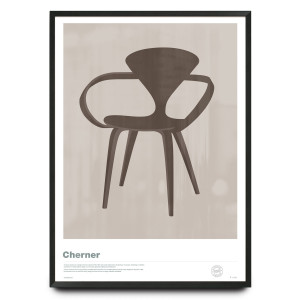
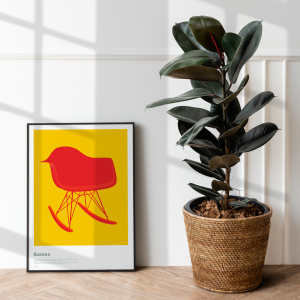
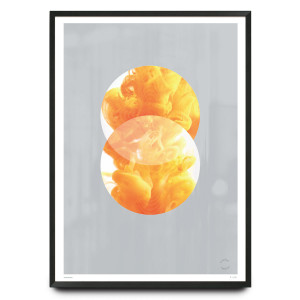
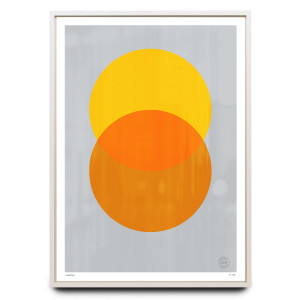
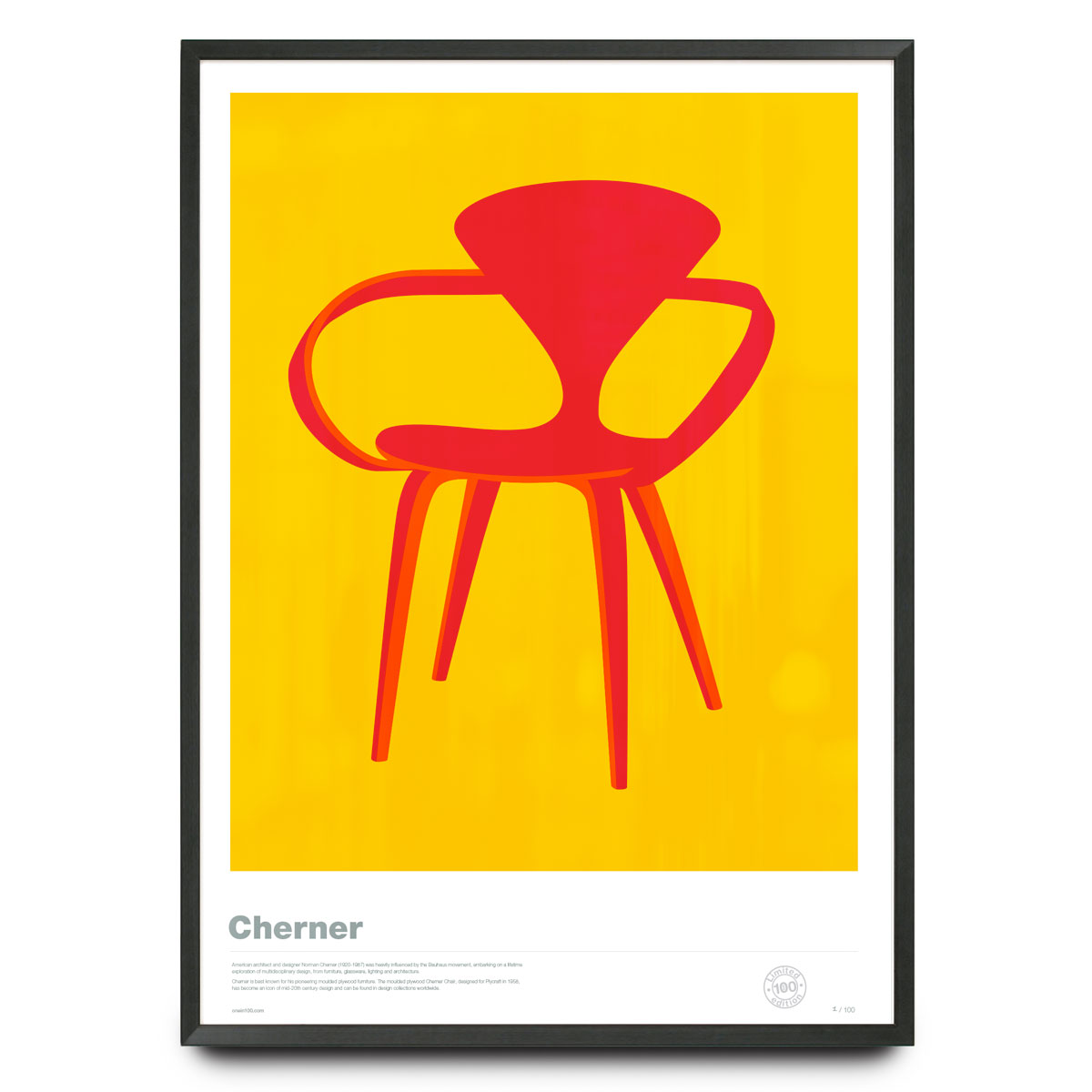
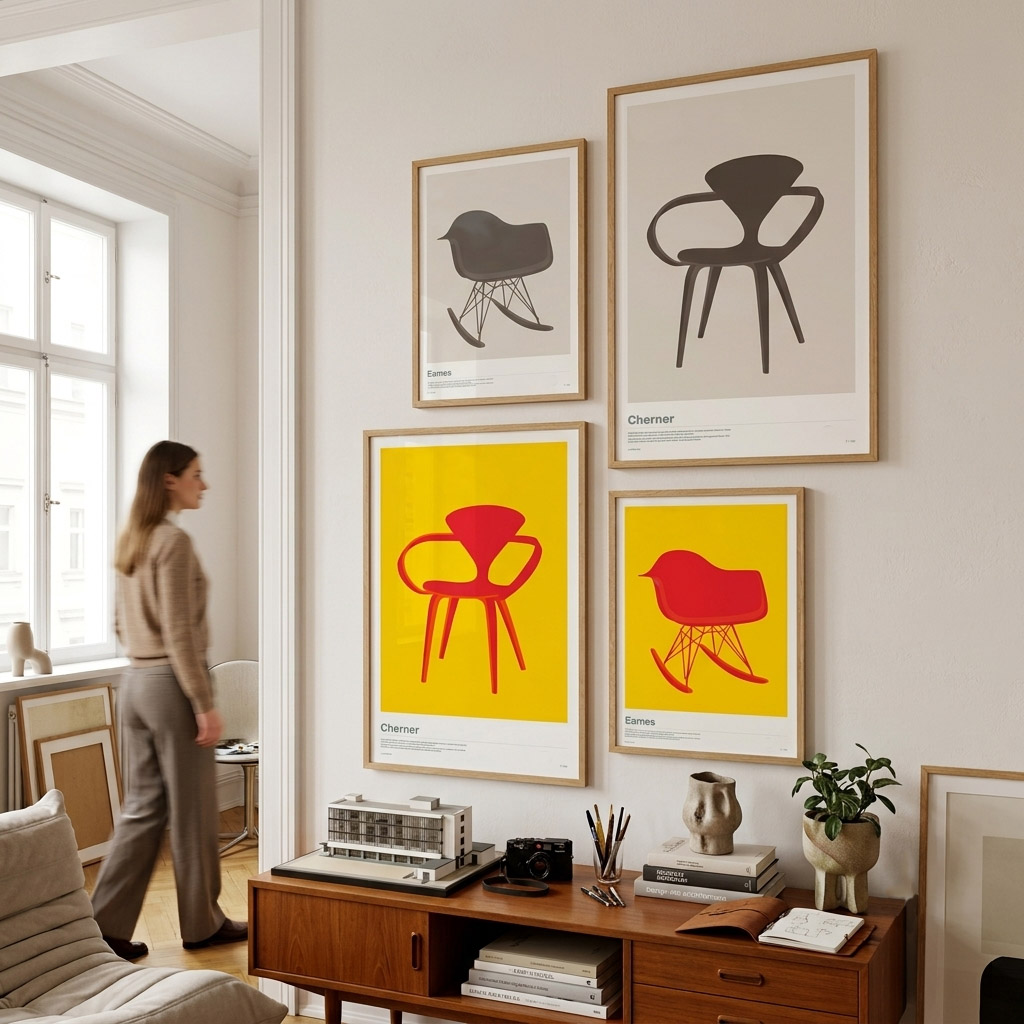
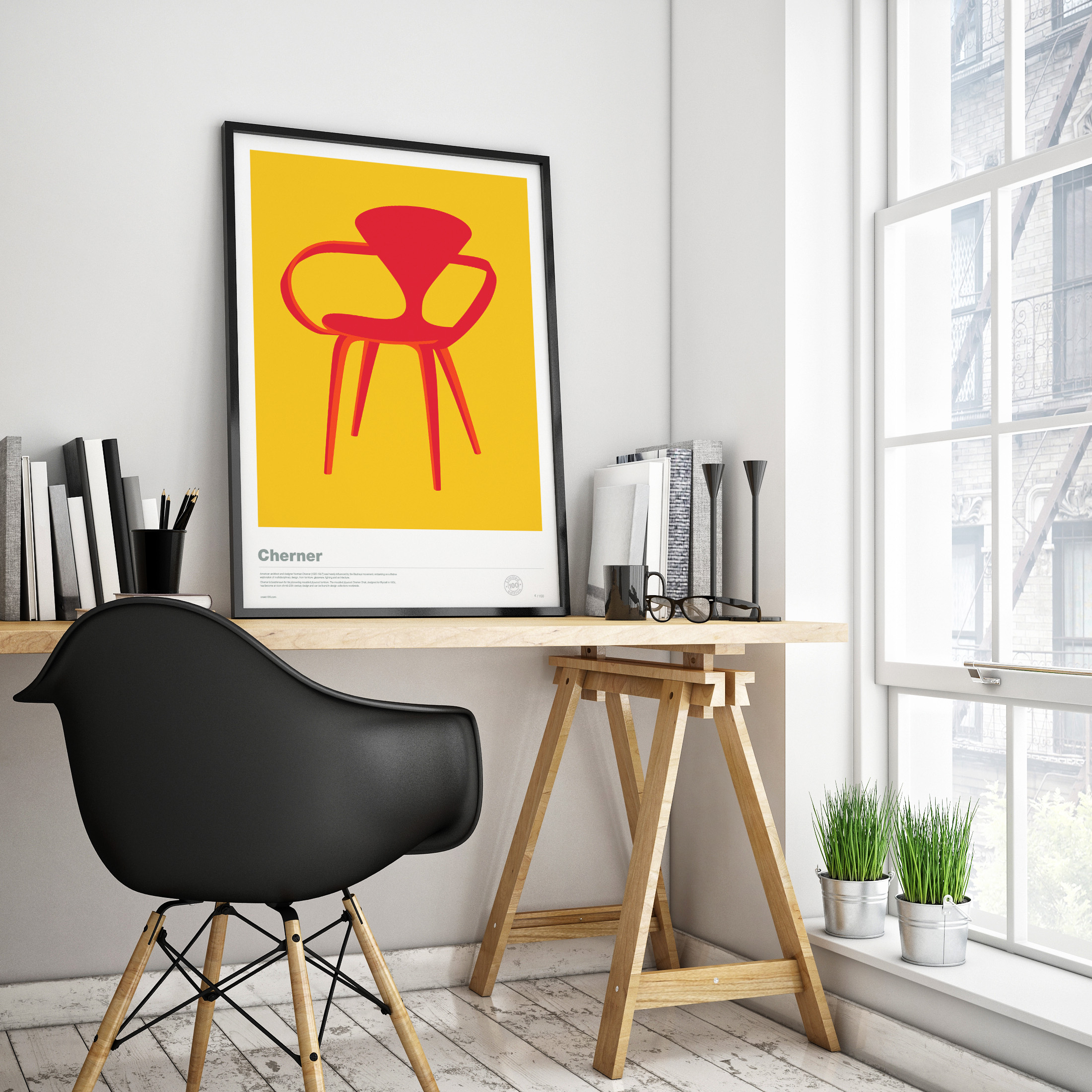
Cherner Chair Graphic Print
on 300gsm matte archival smooth paper
Hand editioned in pencil
One of 100 copies only
Size: 500 x 700mm / 19.7″ x 27.6″
Paper:
Professional fine art paper. 100% cotton paper with a smooth surface texture – guarantees archival standards.
Our giclée prints are printed on exhibition standard Ultrachrome HDR archival ink system of the Epson 7890 LFP.
Sylized illustration of Cherner Chair limited edition print additional information:
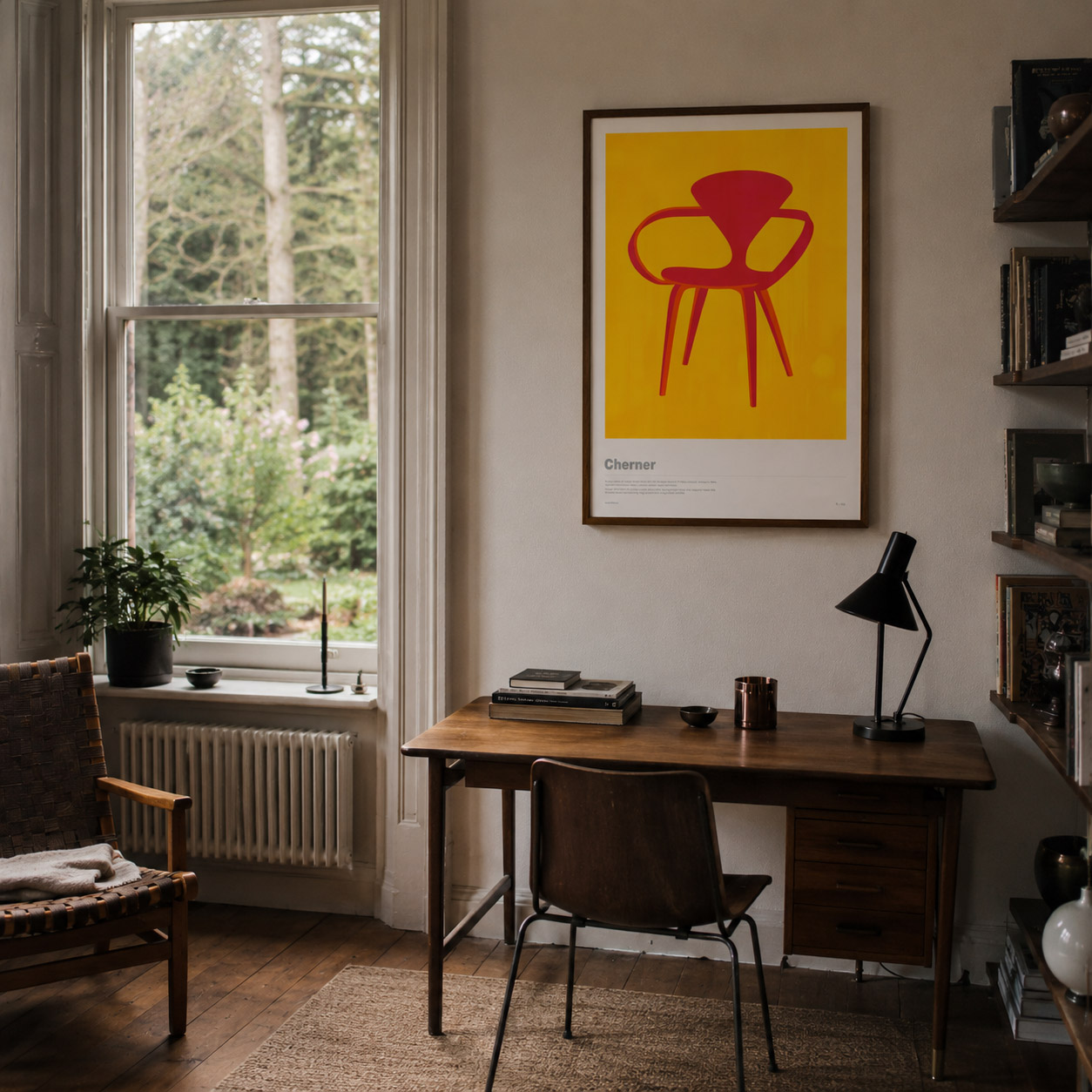
Please note, the frame is not included.
The colours of the print can vary from those shown on screen. We strive to make our colours as accurate as possible, but screen images are intended as a guide only and should not be regarded as absolutely correct.
Norman Cherner
Norman Cherner wasn’t trained as a furniture designer. He was an architect, and that background shaped almost everything he created.
Architects tend to think about proportion before decoration. They ask how something works before worrying about how it looks. That mindset is obvious in the Cherner Chair. Every curve has a purpose. Every joint feels considered rather than ornamental.
Born in Brooklyn in 1920, Cherner studied architecture and developed an interest in affordable, well-designed housing alongside furniture. He believed good design shouldn’t be reserved for a small number of wealthy clients. Throughout his career he explored how modern materials and manufacturing techniques could make everyday objects better without making them unnecessarily complicated.
Although the chair now bears his name, its journey wasn’t entirely straightforward. It was originally manufactured by Plycraft, but disagreements over attribution meant the design was sold for many years without Norman Cherner receiving the recognition many believed he deserved.
Only decades later was his authorship fully restored, and the chair began to be widely associated with the designer who had created it.
Today his work enjoys renewed appreciation. While he designed houses, books and other furniture, the Cherner Chair remains his best-known achievement. It represents something surprisingly rare in industrial design: a product that feels both technically sophisticated and emotionally warm.