
Description
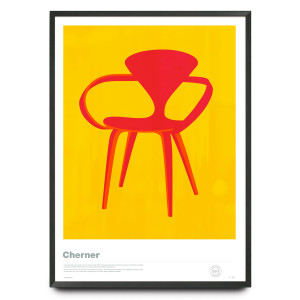
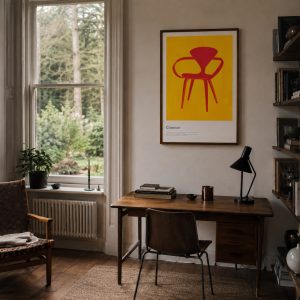
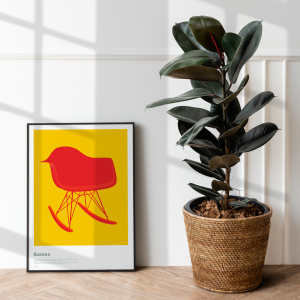
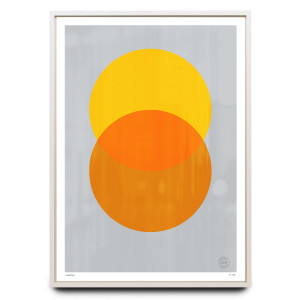
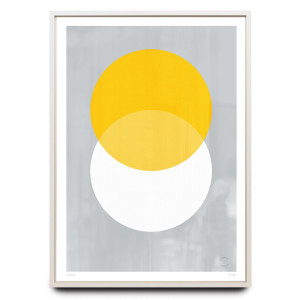
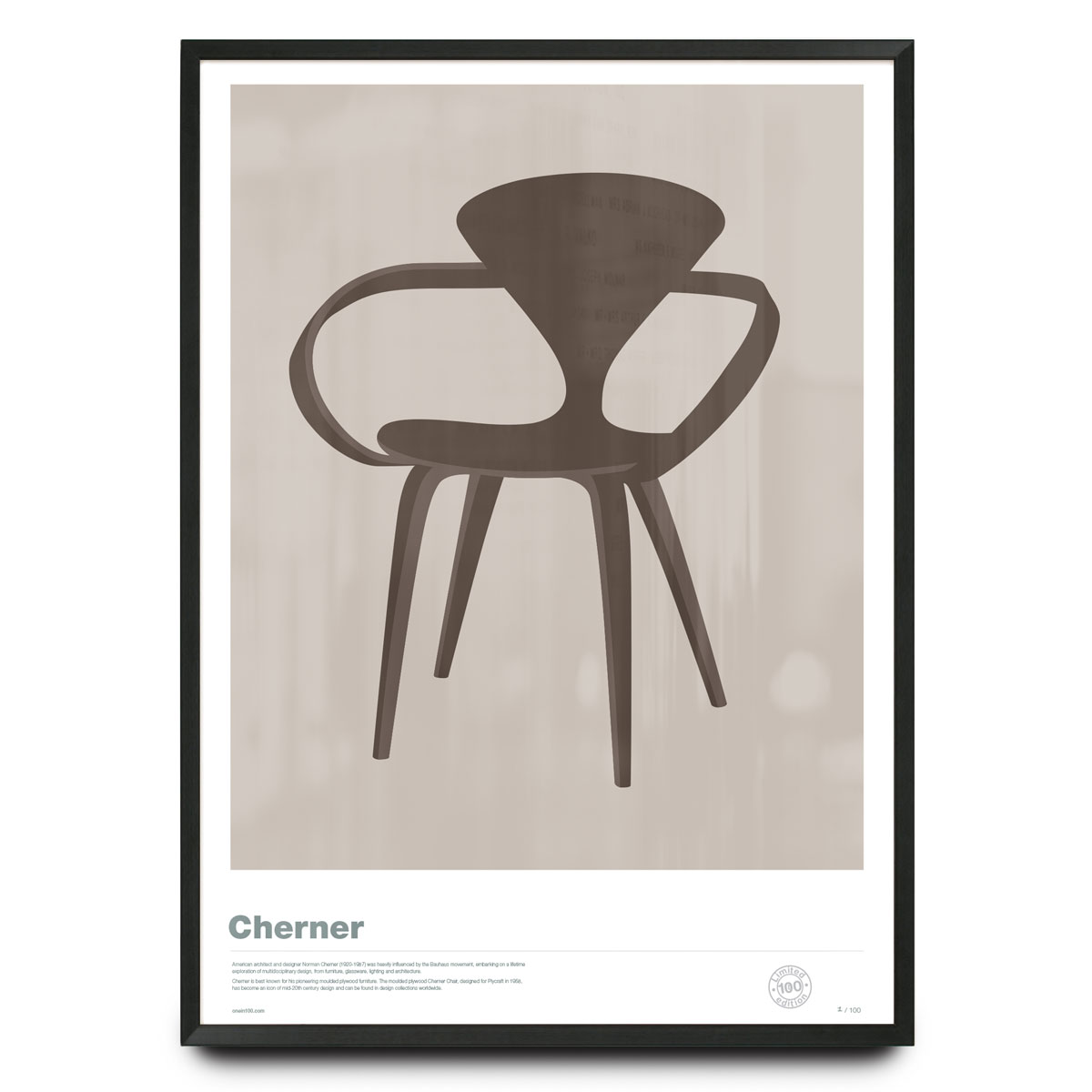
Cherner Chair Art Print
on 300gsm matte archival smooth paper
Hand editioned in pencil
One of 100 copies only
Size: 500 x 700mm / 19.7″ x 27.6″
Paper:
Professional fine art paper. 100% cotton paper with a smooth surface texture – guarantees archival standards.
Our giclée prints are printed on exhibition standard Ultrachrome HDR archival ink system of the Epson 7890 LFP.
Illustration of Cherner Chair limited edition print additional information:
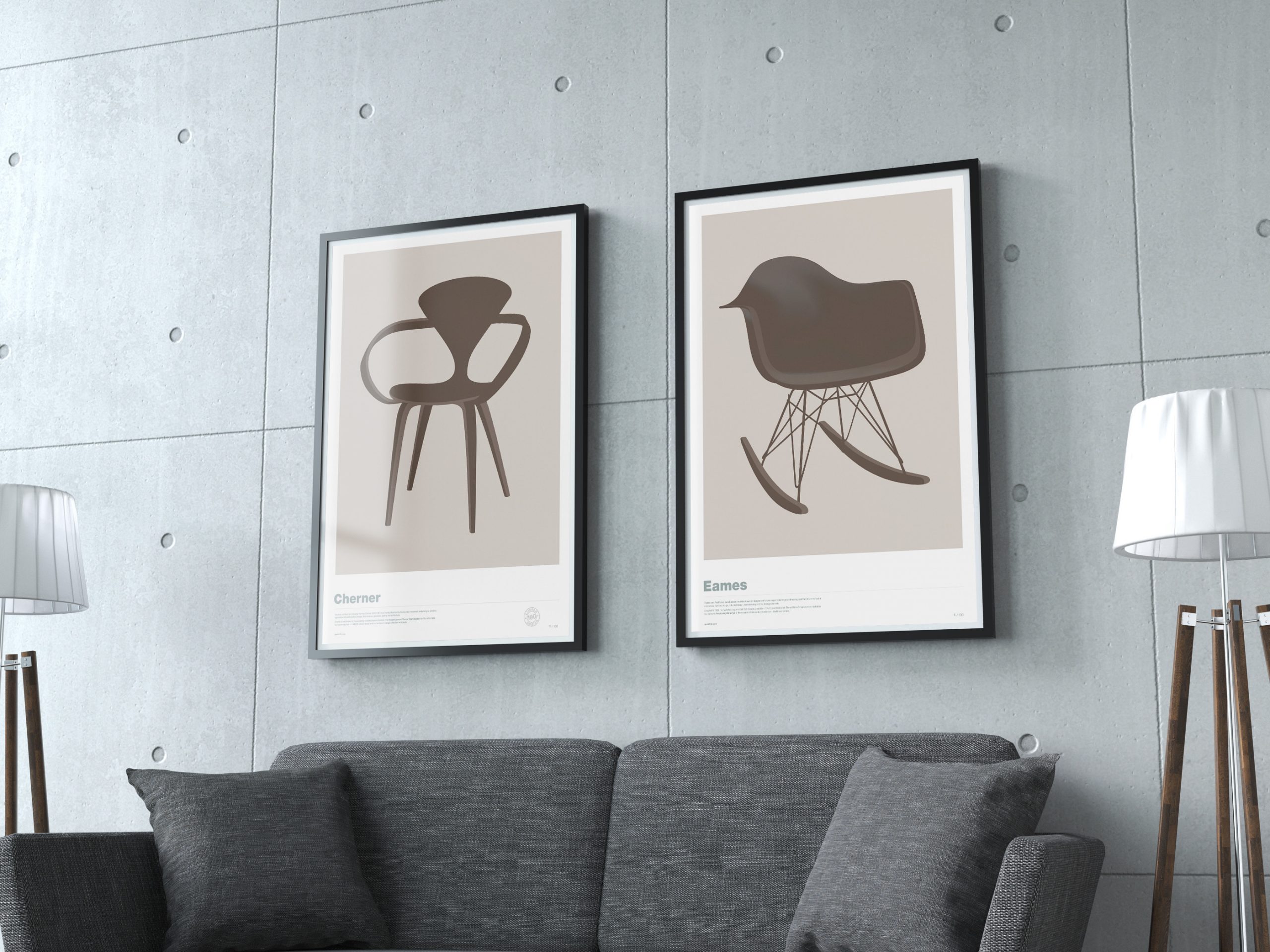
Please note, the frame is not included.
The colours of the print can vary from those shown on screen. We strive to make our colours as accurate as possible, but screen images are intended as a guide only and should not be regarded as absolutely correct.
The Cherner Chair
Some chairs become famous because they’re expensive. Others because they appear in magazines, hotels or fashionable restaurants. The Cherner Chair earned its reputation for a much simpler reason: it’s one of those rare pieces of furniture that manages to look effortless.
Even people who don’t know its name often recognise its shape. The gently curved plywood back, the sweeping arms and the impossibly slender profile feel familiar because the chair has appeared in homes, offices, design studios and museums for decades. It has become part of the visual language of modern design.
What’s remarkable is that the chair isn’t trying to attract attention. Unlike some mid-century furniture, it doesn’t rely on unusual materials or dramatic engineering tricks. Everything about it feels calm and balanced. The curves appear almost inevitable, as though the chair couldn’t have been designed any other way.
That simplicity took an extraordinary amount of work to achieve.
The chair was designed in 1958 by the American architect and designer Norman Cherner. At the time, moulded plywood furniture was undergoing something of a revolution. New manufacturing techniques made it possible to bend thin layers of wood into strong, elegant forms that had previously been impossible or prohibitively expensive to produce.
Charles and Ray Eames had already demonstrated what plywood could do with chairs such as the LCW and DCW, but Cherner approached the material differently. Rather than treating plywood as a collection of separate components, he designed a chair that feels almost sculptural, with the backrest flowing naturally into the arms before tapering into impossibly thin edges.
One of the chair’s defining characteristics is that contrast. From some angles it appears delicate, almost fragile. Sit in one, though, and it quickly becomes clear that appearances are deceptive. The laminated plywood shell distributes weight remarkably well and feels reassuringly solid.
That’s one reason architects and designers have continued to admire it. It isn’t simply attractive. It’s intelligently resolved.
The chair also rewards close inspection. The edges are carefully tapered so the plywood appears lighter than it really is. The opening beneath the backrest isn’t just decorative; it helps create visual lightness while giving the chair its distinctive silhouette. Even the legs have a subtle elegance that balances the broader curves of the seat.
Many iconic chairs date quite quickly. The Cherner Chair has done the opposite. More than sixty years after it first appeared, it still looks contemporary. It fits just as comfortably in a Victorian townhouse as it does in a Scandinavian apartment or a modern architectural practice.
That timeless quality explains why the chair continues to appear in films, design publications and carefully curated interiors. It has become one of those objects that quietly communicates an appreciation for thoughtful design without dominating a room.
Today the Cherner Chair is recognised as one of the defining achievements of twentieth-century American furniture design, admired not because it followed fashion but because it never really needed to.