

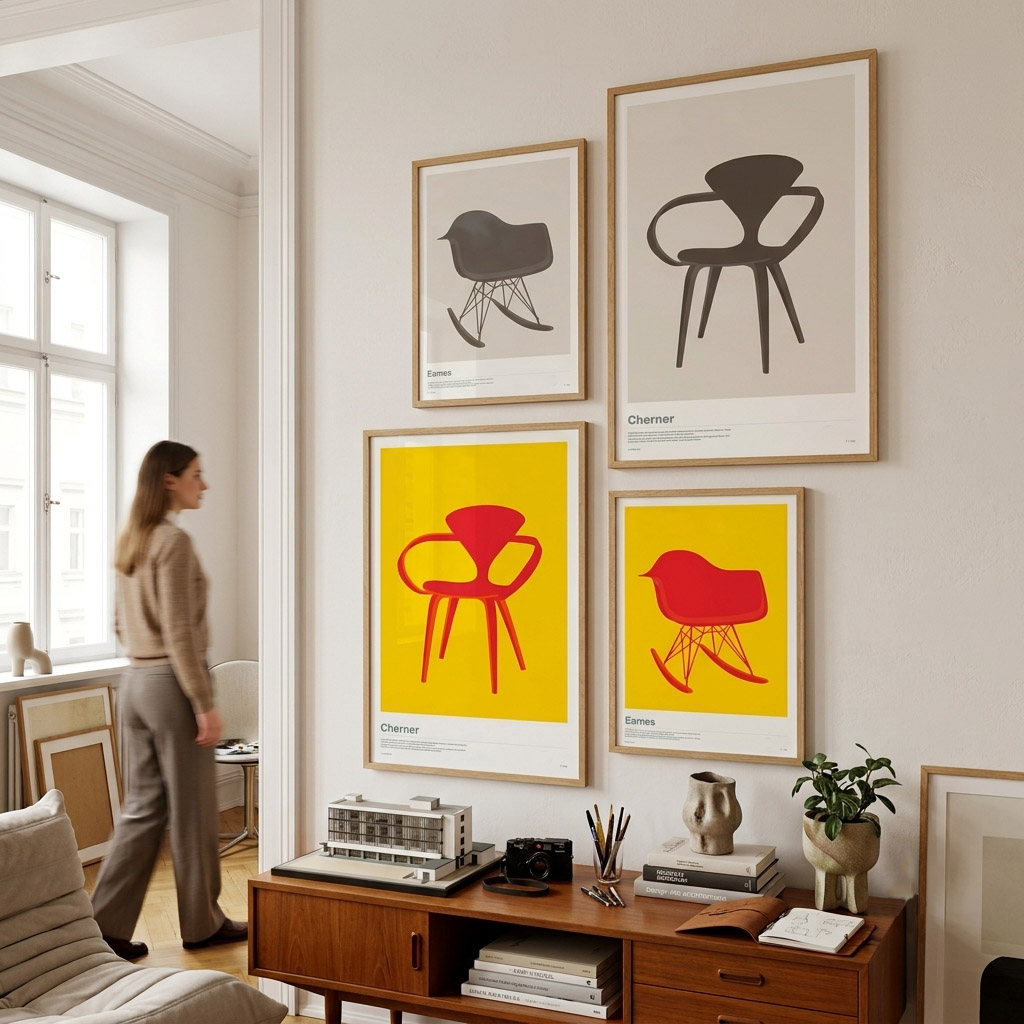
Description
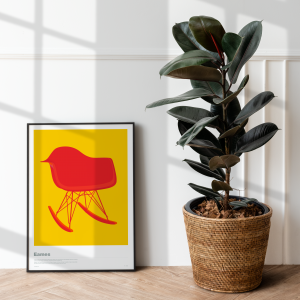
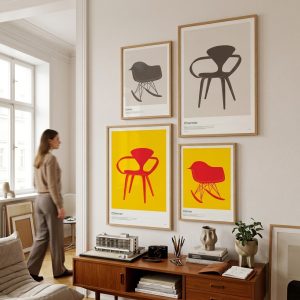
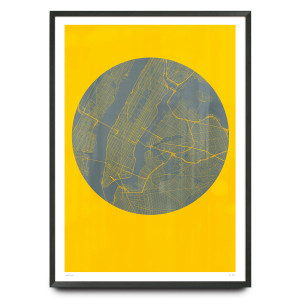
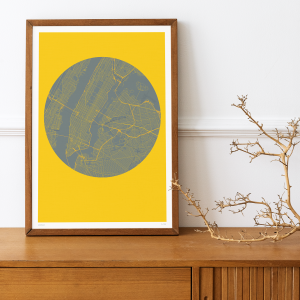
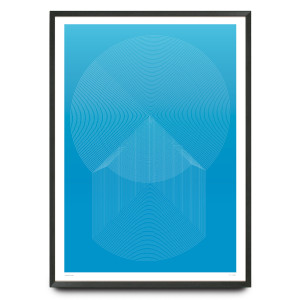
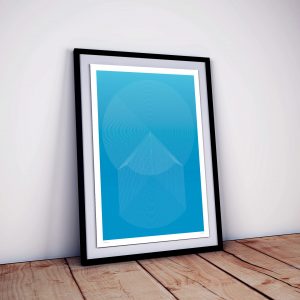
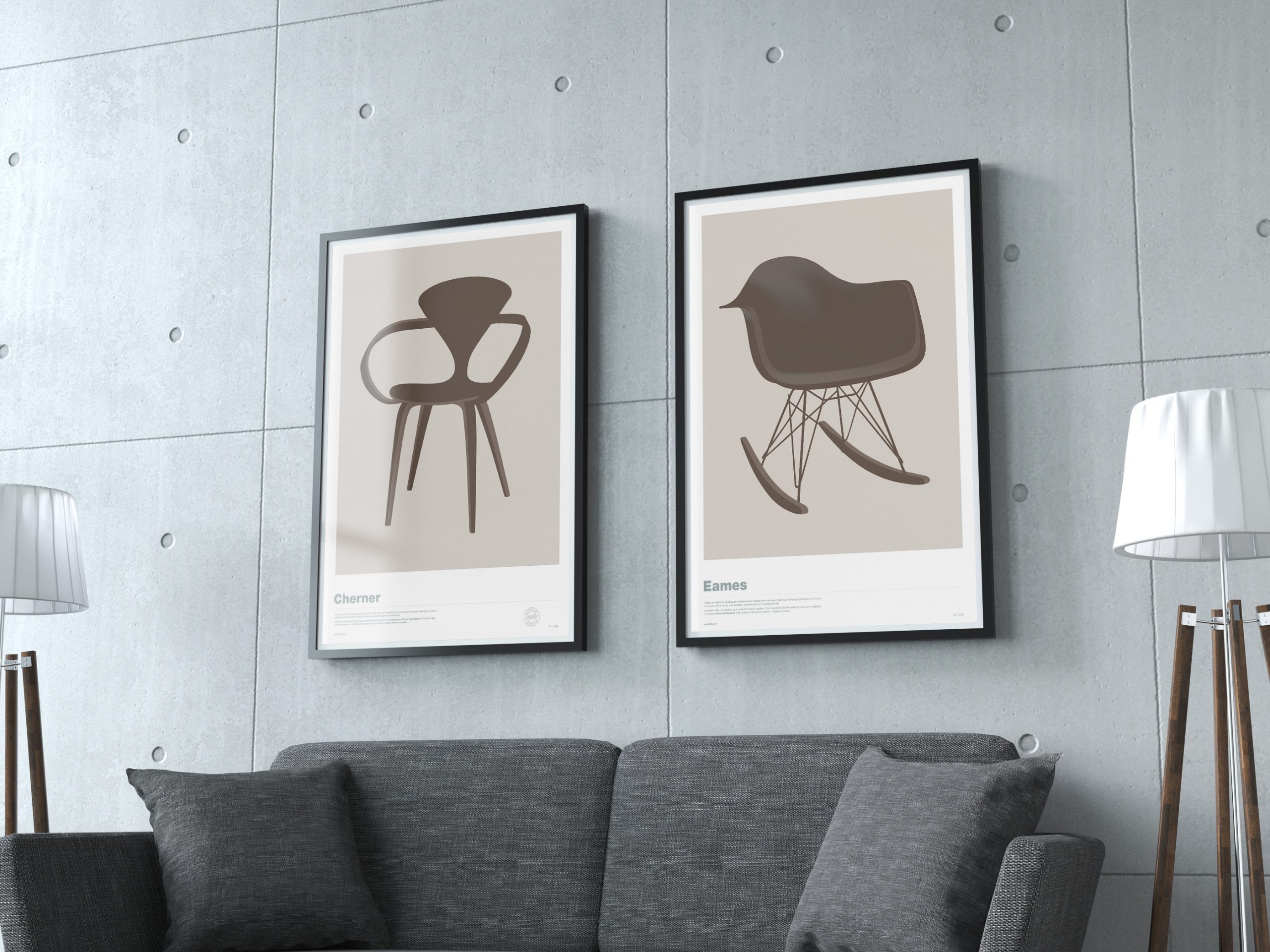
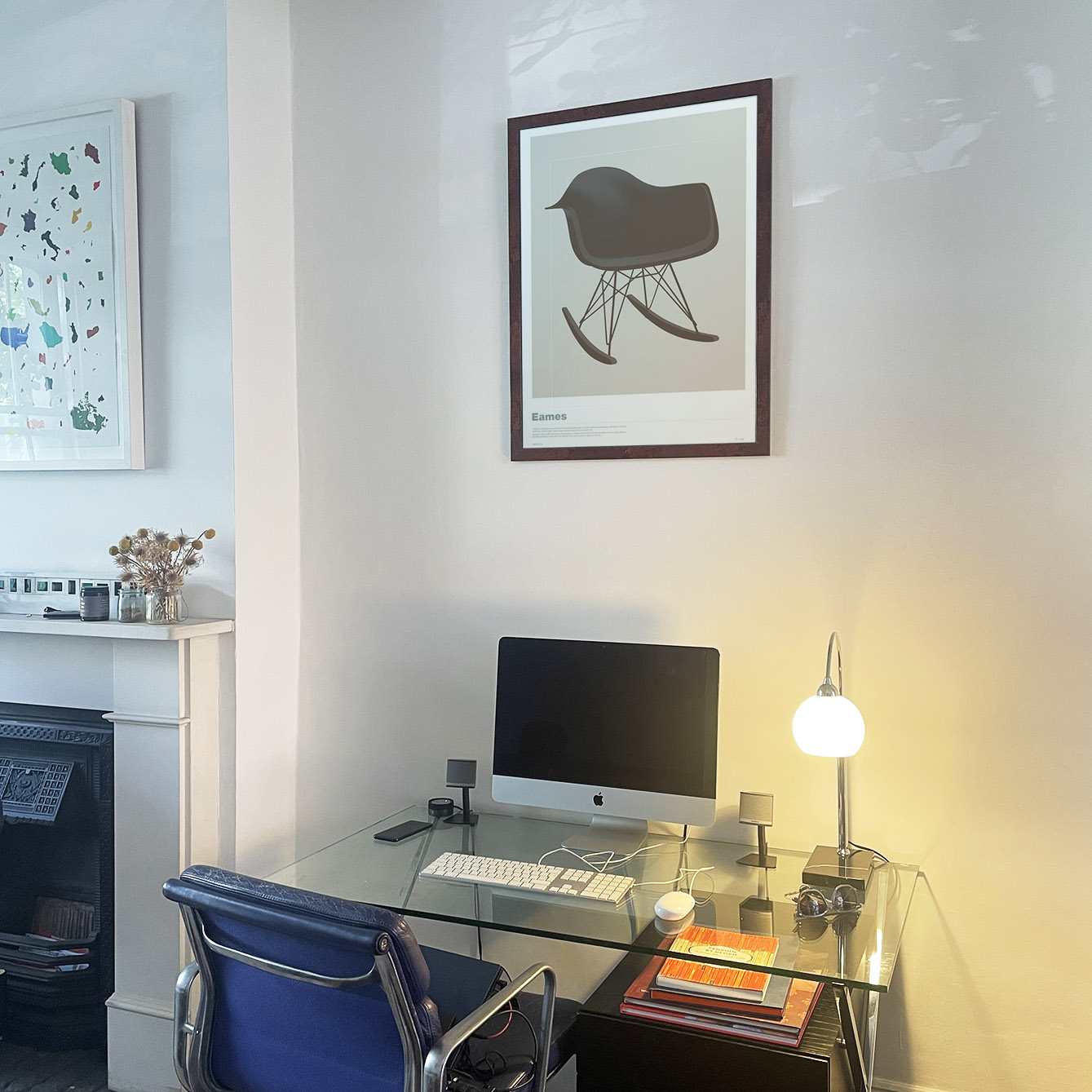
Eames RAR Rocker Print
on 300gsm matte archival smooth paper
Hand editioned in pencil
One of 100 copies only
Sizes: 500 x 700mm / 19.7″ x 27.6″ or 700 x 1000mm / 27.6″ x 39.4″
Paper:
Professional fine art paper. 100% cotton paper with a smooth surface texture – guarantees archival standards.
Our giclée prints are printed on exhibition standard Ultrachrome HDR archival ink system of the Epson 7890 LFP.
Eames RAR chair illustration limited edition print additional information:
Please note, the frame is not included.
The colours of the print can vary from those shown on screen. We strive to make our colours as accurate as possible, but screen images are intended as a guide only and should not be regarded as absolutely correct.
Charles and Ray Eames
It’s almost impossible to talk about twentieth-century furniture without mentioning Charles and Ray Eames.
Although Charles was trained as an architect and Ray came from an artistic background, their partnership became one of the most influential collaborations in modern design. Together they designed furniture, exhibitions, films, toys and architecture, always driven by curiosity rather than a commitment to a particular style.
One of their greatest strengths was their willingness to experiment. During the Second World War they worked with moulded plywood to produce medical splints for the US military. That research helped them understand how wood could be bent into strong, complex forms, knowledge that later transformed furniture design.
Rather than seeing materials as limitations, they treated them as opportunities. Fibreglass, plywood, aluminium and wire all became tools for solving different design problems.
What makes their work endure isn’t simply its appearance. Many of their designs are remarkably comfortable, practical and robust. They believed that good design should improve everyday life rather than exist purely as decoration.
Their influence extends far beyond furniture. The way designers think about ergonomics, manufacturing and accessible modern design owes a great deal to their work.
More than seventy years later, their chairs continue to be manufactured, collected and used around the world. That’s perhaps the strongest measure of successful design. They weren’t created as museum pieces; they were designed to be lived with.